
How to sleep comfortably in a tent: nine fixes that work
By George Terry · 11 July 2026 · 2 min read
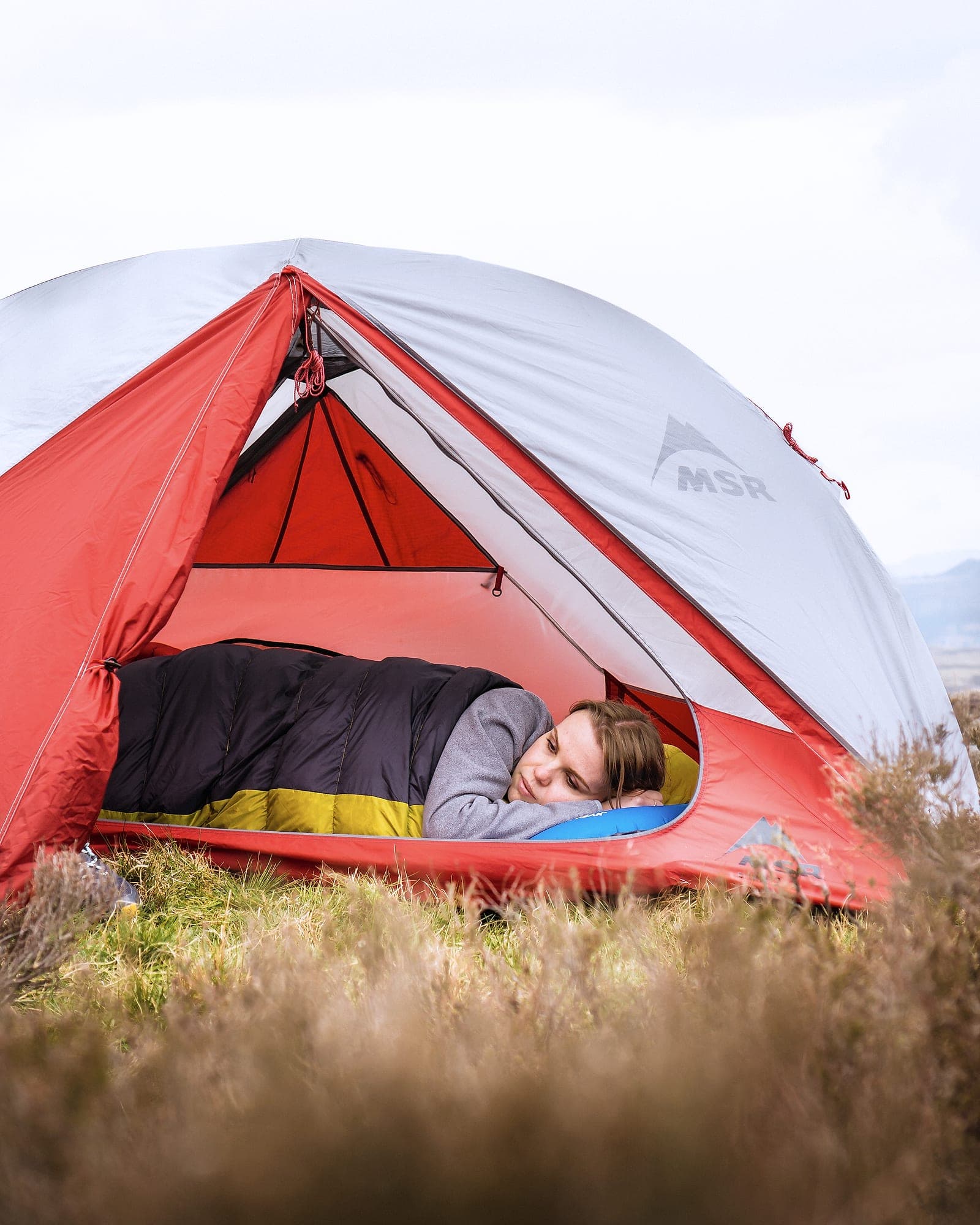
Nobody sleeps badly in a tent because of the tent. They sleep badly because of the ground, the cold, the damp, the noise or the pillow made of rolled-up jeans. All of those are fixable, most of them cheaply. Here are the nine fixes that actually move the needle, in the order we would apply them.
1. Pick the pitch like it matters
Five minutes of pitch choice beats fifty pounds of kit. You want flat or very slightly sloped ground with your head uphill, natural wind shelter, and no hollow that will pool water if it rains. Lie down on the spot before you pitch; your hip will find the rock your eyes missed.
2. Insulate from the ground, not just the air
The ground steals heat faster than the air. If you are cold at night, the answer is usually beneath you: a mat with a proper R-value, around 2 to 3 for UK three-season nights. Our R-value guide covers the numbers.
3. Get thickness under your hips
Side sleepers need 5 cm or more of mat, or the hip grinds through to the ground by 2 am. The DreamLite runs 6 cm with contoured baffles for exactly this reason.
4. Bring a real pillow
The bundled-fleece pillow is the most common self-inflicted injury in camping. An inflatable pillow weighs 85 g, packs to plum size and holds your neck at the same angle it enjoys at home. Strap it to the mat so it stays put when you turn.
5. Sleep in dry layers, never damp ones
Keep one base layer and a pair of socks sacred: they live in the bag and are worn only for sleeping. Damp clothing, even slightly damp from the walk in, will chill you all night no matter how good the bag is.
6. Vent the tent before you sleep
Condensation is not a leak; it is your own breath. Crack the vents even on cold nights and keep your bag off the tent walls. A slightly cooler, dry tent sleeps far better than a sealed damp one.
7. Deal with noise before it deals with you
Flysheets flap and hills are noisy in wind. Guy the tent out properly so nothing rattles, then carry foam earplugs weighing nothing. First-night noise anxiety is the most common reason new campers sleep badly, and it costs about a pound to fix.
8. Eat and drink for the night ahead
A warm meal within a couple of hours of sleep gives your body fuel to heat itself, and caffeine after mid-afternoon works exactly as badly outdoors as it does at home. Take a small water bottle into the tent so the 3 am thirst does not require an expedition.
9. Warm the bag, not just yourself
If a cold night is forecast, boil water, fill a leakproof bottle, wrap it in a sock and put it in the bag ten minutes before you get in. Old trick, still unbeaten.
The pattern behind all nine
Every fix above deals with ground, damp, cold or noise. Solve those four and the tent itself almost does not matter. Most people can transform their nights outdoors for less than the price of a restaurant meal, and the first two fixes cost nothing at all.
Written by George Terry, founder of Rambler Peak. Every product we sell is tested on the hills these guides are written about. Read the story.