
Wild camping in the Peak District: a local guide
By George Terry · 11 July 2026 · 2 min read
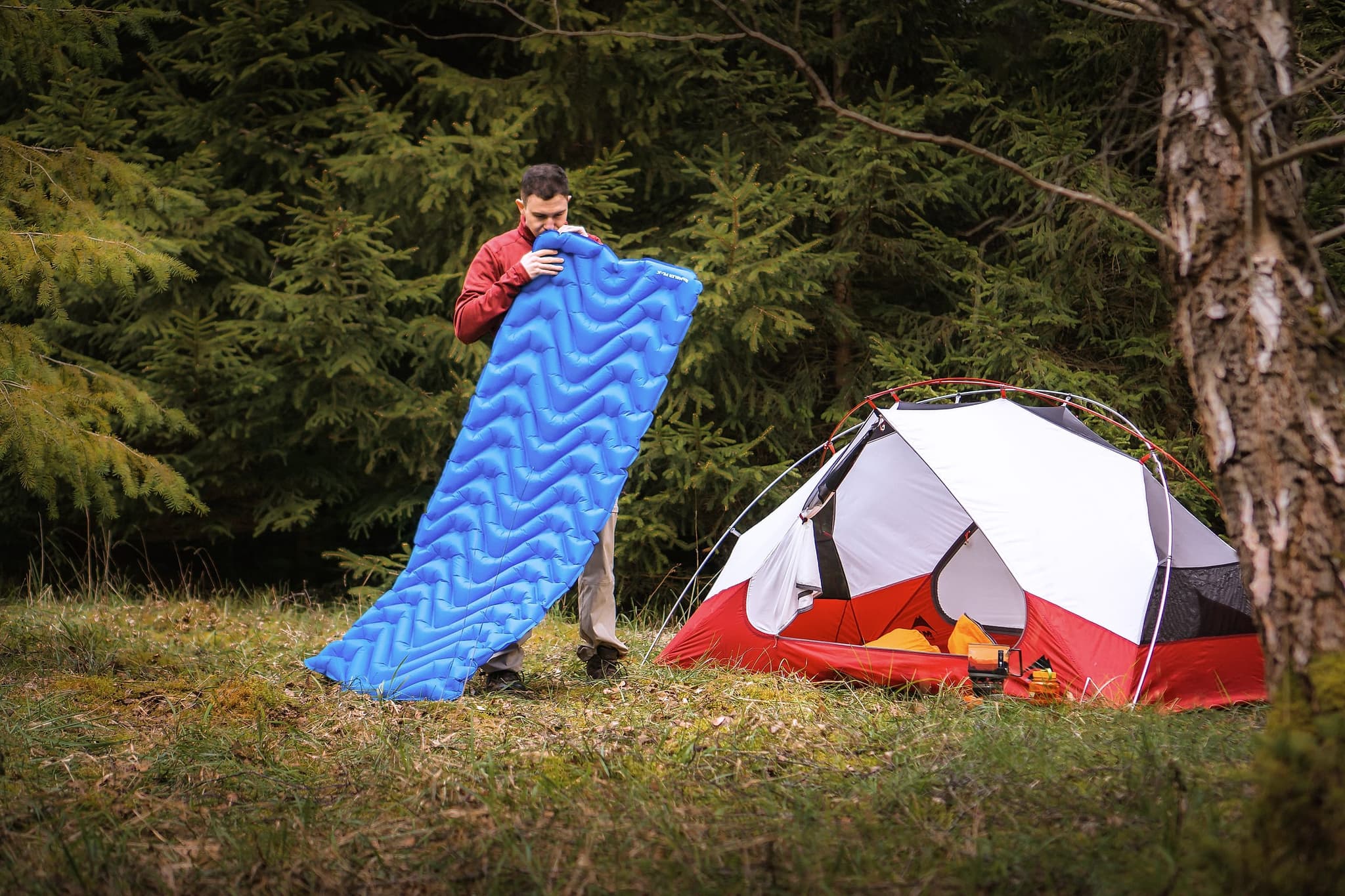
Rambler Peak is based on the edge of the Peak District. It is where our kit gets tested and where most of our photography is shot, so this guide is written from the ground, not from a search results page. It starts with the part most guides bury: the law.
The legal position, plainly
In England there is no general right to wild camp. That includes the whole of the Peak District. Legally, camping on land without the landowner’s permission is trespass. The well-known exception is parts of Dartmoor, where a backpack camping right exists; Scotland is different again, with a broad right of responsible access. Neither applies here.
In practice, a quiet tradition of responsible wild camping exists on the high moors, tolerated rather than permitted, and it survives only because most people who do it are close to invisible. If you want to be fully within the law, ask the landowner, or use one of the area’s many small campsites and plan big hill days from there.
The conventions that keep the tradition alive
- Arrive late, leave early. Pitch at dusk, be packed by mid-morning, and you were never there.
- Stay high and away from roads, farms, reservoirs and popular paths. Wild camping is a hill activity, not a layby one.
- One or two small tents, one night, then move on. Groups and repeat pitches are how spots get ruined.
- No fires, ever. Peat moorland burns underground for weeks, and the Peak has lost too much to careless flames. A stove is fine; a fire is not.
- Leave nothing. Carry out every scrap including food waste, and bury nothing.
- If asked to move on, move on politely. The tradition survives on goodwill.
Where the tradition lives
We deliberately do not publish pitch locations; naming spots is how they die. What we will say is that the high gritstone moors of the Dark Peak, the plateau country around Kinder and Bleaklow and the quieter eastern moors, are where the tradition has always lived. Study the map, pick somewhere flat, drained and legal to reach on foot, and keep it to yourself.
Kit for a Peak District night
Peak District ground is cold and damp for most of the year, and the weather turns fast. The kit list is short but non-negotiable.
- A tent or bivvy that handles wind. The moors are exposed and gusts arrive without notice.
- An insulated mat, R-value 2 or above. Cold ground is the number one cause of miserable nights up here; our R-value guide explains why.
- A three-season bag, plus a dry base layer kept sacred for sleeping.
- Water for the night carried in. High pitches rarely have a clean source.
- A head torch, a paper map and the sense to check the forecast twice.
Our own DreamLite mat and camping pillow were shaped by exactly these nights: light enough to carry up, warm enough for gritstone, small enough to vanish into a pack.
The point of it
Done properly, a night on the high moors is the best thing the Peak District offers: the crowds gone, the light long, the morning yours alone. Do it quietly, do it responsibly, and leave the hill exactly as you found it so the tradition outlives all of us.
Written by George Terry, founder of Rambler Peak. Every product we sell is tested on the hills these guides are written about. Read the story.